πŸ“ž Call for a Free Quote: 888-619-5503

Attic Cleanup & Decontamination in Columbus, OH

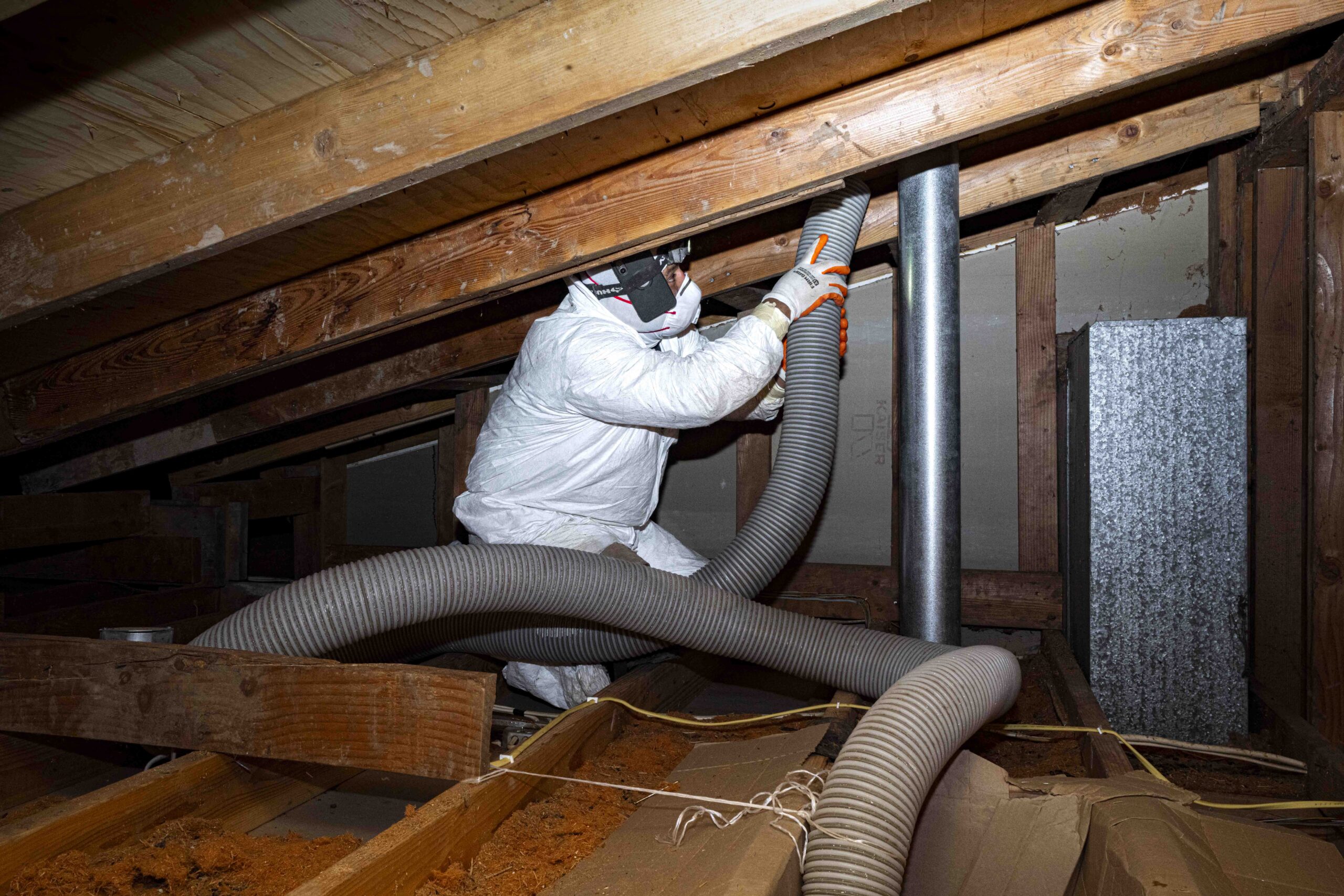
Technician in PPE vacuuming rodent nesting debris out of an attic during cleanup and decontamination

Once rodents have been living in an attic for a while, removal alone doesn't undo the mess they leave behind β€” droppings, urine-soaked insulation, gnawed materials, and nesting debris can accumulate significantly, and dried rodent droppings can release airborne particles that pose a real respiratory concern, especially in poorly ventilated attic spaces. We clean up and decontaminate attics after an infestation, not just trap and walk away.

Cleanup typically includes removing droppings and nesting material, disposing of contaminated insulation that can't reasonably be salvaged, sanitizing affected surfaces, and, where needed, replacing insulation that's lost its effectiveness from being compacted or soiled. We handle this as a follow-up to trapping and exclusion, once we're confident the entry points have been sealed and new rodents won't just recontaminate the space.

This service matters most for older Columbus homes where an infestation may have gone unnoticed for a while before being caught, since a longer-running problem generally means more contamination to address. Call for a free inspection and we'll assess whether cleanup is needed as part of your rodent job.

πŸ“ž Call 888-619-5503

Request This Service

* Indicates required field

Why Removal Alone Isn't Enough

Trapping stops new activity, but droppings and contaminated insulation left behind don't resolve on their own. Dried rodent droppings can release airborne particles when disturbed, which is a real concern in an attic space that connects to the rest of the home's airflow.

Insulation Replacement

Insulation that's been soiled or compacted by nesting rodents loses much of its effectiveness. Where cleaning isn't sufficient, we can remove and replace affected sections as part of the cleanup.

What a Cleanup Visit Actually Involves, Step by Step

We start by confirming exclusion is complete or well underway, since cleaning up an attic that rodents can still access just means redoing the work later. From there, we remove loose droppings and nesting material by hand and with HEPA-filtered vacuum equipment, bag and dispose of anything contaminated beyond salvaging, and sanitize the affected surfaces β€” joists, subfloor, and any ductwork that runs through the space β€” with an appropriate disinfectant. If insulation has been soiled, matted, or compacted by nesting activity, we assess whether it can be cleaned in place or needs to be removed and replaced, since heavily contaminated insulation rarely regains its original effectiveness even after cleaning. A typical attic cleanup runs a few hours depending on the size of the space and how extensive the contamination is, and we'll give you a time estimate as part of the written quote.

What Affects the Cost of Attic Cleanup

The extent of contamination is the main driver β€” a light amount of droppings from a recently caught rodent costs far less to address than insulation that's been soiled and compacted over months or years of undetected activity. Attic size and accessibility matter too, since a larger attic or one with limited headroom simply takes longer to work through thoroughly. Whether insulation needs to be replaced rather than just cleaned adds meaningfully to the cost, since replacement involves both removal of the old material and installing new insulation to the same coverage. We assess the actual extent of contamination during the inspection and quote cleanup based on what's really there, not a flat per-square-foot rate that doesn't reflect the condition of your specific attic.

Signs Your Attic Needs Cleanup, Not Just Trapping

A musty, ammonia-like odor noticeable from inside the living space, visible droppings or dark staining along attic joists and insulation, and insulation that looks matted, tunneled through, or displaced from its original coverage are all signs that cleanup is needed beyond simply trapping the rodents involved. If activity went on for a while before being noticed β€” which is common in attics that aren't regularly accessed β€” the accumulation is often heavier than a homeowner expects from the outside. We'll assess the attic directly during the inspection rather than guessing from what's visible at the attic hatch, since contamination can be worse in areas that aren't immediately visible.

PPE and Safety Precautions We Follow

Attic cleanup involves disturbing dried droppings and contaminated insulation, both of which can release airborne particles that pose a real respiratory risk in a poorly ventilated space. Our technicians wear appropriate respirators, gloves, and protective clothing during cleanup, and we take steps to limit how much dust and debris gets stirred up and potentially carried into the living space through the attic hatch or shared ductwork. We also bag and remove contaminated material carefully rather than letting it accumulate loose in the attic during the job. These precautions are standard on every cleanup, not an upsell, since the health risk from dried rodent waste is real regardless of how small the job looks.

Attic Cleanup vs. General Attic Insulation Work

A general insulation contractor can add or replace insulation, but that's a different job from rodent decontamination β€” insulation work alone doesn't address droppings, urine contamination, or nesting debris left on joists and subfloor, and installing new insulation over contaminated material doesn't actually remove the health hazard underneath it. We handle decontamination first, removing and sanitizing what's actually contaminated, and can coordinate insulation replacement as part of the same visit when it's needed rather than treating cleanup and re-insulating as two unrelated projects. If you've had general insulation work done in the past without addressing an underlying rodent issue, it's worth having that space reassessed.

A Common Mistake: Cleaning Up Before Exclusion Is Finished

One mistake we see homeowners make on their own is cleaning up visible droppings before entry points are actually sealed, which means the attic gets recontaminated by new activity within weeks and the cleanup essentially has to be redone. We always confirm exclusion status before starting cleanup, and if entry points haven't been addressed yet, we'll recommend handling that first or as part of the same visit rather than cleaning an attic that rodents can still get back into.

Licensed and Insured for Decontamination Work

We're licensed and insured for rodent decontamination work in Ohio, which matters given that cleanup sometimes involves accessing tight attic spaces, working near electrical wiring, and handling contaminated material that needs proper disposal. Our insurance covers the work itself, protecting you if anything is damaged while we're accessing hard-to-reach parts of an attic. We're glad to provide documentation of our licensing and insurance before starting a cleanup, especially for landlords or property managers who need it on file. If a job turns up damage beyond what cleanup alone can fix β€” chewed wiring, water intrusion from a damaged vent β€” we'll flag it during the visit so you can decide how to handle it, rather than leaving it for you to discover later.

Areas We Serve

Proudly providing rodent control across the region:

Get Attic Cleanup & Decontamination in Columbus Today

Fast response, upfront pricing, and friendly local pros. Call now for a free quote.

πŸ“ž Call 888-619-5503