πŸ“ž Call for a Free Quote: 888-619-5503

Commercial Rodent Control in Columbus, OH

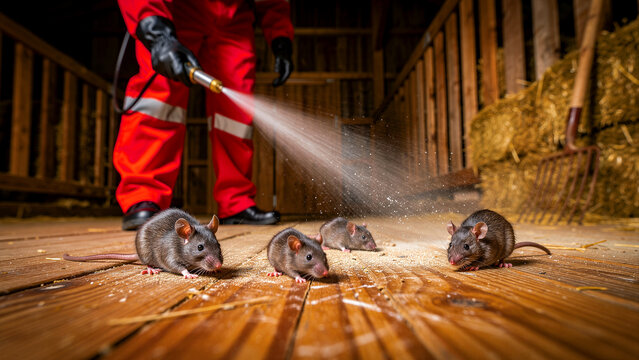
Pest control technician treating an active rodent infestation in a commercial attic or barn space

Rodent activity at a commercial property carries higher stakes than at a home β€” health code violations for food service businesses, damaged inventory in warehouses, and the reputational risk of a customer spotting activity all raise the bar for how a commercial rodent problem gets handled. We provide scheduled commercial rodent management built around the property type, from downtown Columbus restaurants to warehouse and distribution space throughout the metro area.

For food service, that means treatment and documentation that supports health inspection compliance, with monitoring stations placed and checked on a schedule frequent enough to catch activity before it becomes a violation. For warehouses and larger commercial buildings, we focus on exterior perimeter exclusion and interior monitoring across a larger footprint than a typical residential job.

We work around business hours and can set up ongoing service contracts so commercial rodent management doesn't depend on someone noticing a problem before calling. Call for a free walkthrough and commercial quote.

πŸ“ž Call 888-619-5503

Request This Service

* Indicates required field

Food Service Compliance

We provide monitoring documentation and a treatment schedule that supports health inspection compliance for restaurants and food service businesses, with station checks frequent enough to catch activity early.

Warehouse & Large-Property Exclusion

Larger commercial buildings need exclusion work across a bigger perimeter than a typical house, along with interior monitoring across storage and inventory areas where rodent damage carries real cost.

How a Commercial Inspection and Service Plan Comes Together

We start every commercial account with a full walkthrough of the property β€” kitchen and food storage areas for restaurants, dock doors and racking for warehouses, and the exterior perimeter for any property type β€” to identify both current activity and the conditions likely to cause future problems. From there we build a service plan matched to the property: monitoring station placement and check frequency for food service, exterior exclusion priorities for large industrial buildings, and a schedule that fits how the business actually operates. Most commercial accounts move to a recurring service schedule rather than a one-time visit, since ongoing monitoring is what actually prevents a violation or an inventory loss rather than reacting after activity is already found.

What Drives Commercial Pricing

Property size and layout are the biggest factors β€” a single-location restaurant costs less to service than a multi-building warehouse complex with a much larger perimeter and more interior square footage to monitor. Service frequency matters too: monthly monitoring costs less per visit than the more frequent station checks a food service business typically needs to stay ahead of health inspections. The condition of the property also plays a role, since a building with multiple existing entry points or an active infestation at the start of service requires more initial work than an already well-sealed property moving to routine monitoring. We quote commercial accounts after a walkthrough, with pricing based on the specific property and service frequency you need.

Documentation Health Inspectors Actually Want to See

Health inspectors generally want to see evidence of an active, ongoing pest management program β€” dated service records, a monitoring station map showing where devices are placed, and logs showing what was found and addressed at each visit β€” rather than just an absence of visible activity on inspection day. We provide that documentation as part of scheduled service, so it's available if an inspector asks for it rather than something you'd have to request or reconstruct after the fact. Consistent, dated records also help establish that a facility is actively managing pest risk, which matters if an isolated finding ever comes up during an inspection.

Commercial vs. Residential Rodent Control: What's Actually Different

A residential job is usually built around a single, defined problem β€” trap the active rodents, seal how they got in, done. A commercial account is built around ongoing risk management instead, since a restaurant or warehouse can't afford to wait for visible activity before addressing pest pressure the way a homeowner reasonably can. That means commercial work leans more heavily on scheduled monitoring, documentation, and larger-scale exterior exclusion than on a single trapping-and-sealing visit, and pricing reflects an ongoing service relationship rather than a one-time job.

Scheduling Around Business Hours

We work around your operating hours rather than asking a business to shut down or adjust hours for service β€” early morning, after close, or during slower periods, whatever fits the property. For food service specifically, we time station checks to avoid service hours and any point where staff would be actively prepping or serving food. Warehouse and industrial accounts often prefer service scheduled around shift changes or slower operational windows, and we'll set a recurring schedule that works with your specific operation rather than a fixed slot that doesn't.

Licensed, Insured, and Built for Commercial Liability

We're licensed and insured for commercial pest and rodent work in Ohio, which matters more at a commercial property than a residential one given the liability exposure a business carries around health code compliance and property damage. We carry documentation you can provide to a health inspector, a landlord, or your own insurance carrier if it's ever requested, and we're glad to discuss our licensing and coverage directly with a property manager or business owner before service begins.

Recordkeeping for Multi-Location and Franchise Businesses

Businesses with more than one Columbus-area location benefit from consistent service records across every site, since a health inspector or corporate compliance review often wants to see the same standard of documentation regardless of which location is being checked. We keep service history organized by location so a multi-unit restaurant group or property management company can review activity trends across their whole portfolio rather than piecing together separate paper trails from different technicians or vendors. That consistency also makes it easier to spot a location with recurring issues that might need a change in service frequency or a closer look at a specific entry point.

What to Expect on a First Commercial Visit

A first visit typically starts before or after normal operating hours so we can walk the property without disrupting service, checking kitchen and storage areas, dock doors, and the exterior perimeter for both current activity and likely future entry points. We'll leave with a specific plan β€” station placement, exclusion priorities, and a proposed visit frequency β€” rather than a vague recommendation to "monitor and see." For businesses that have never had a structured pest program before, that first walkthrough is usually the point where problems that had been quietly building for a while, like a gap behind a walk-in cooler, finally get identified and addressed.

Areas We Serve

Proudly providing rodent control across the region:

Get Commercial Rodent Control in Columbus Today

Fast response, upfront pricing, and friendly local pros. Call now for a free quote.

πŸ“ž Call 888-619-5503