πŸ“ž Call for a Free Quote: 888-619-5503

Dead Rodent Removal & Odor Control in Columbus, OH

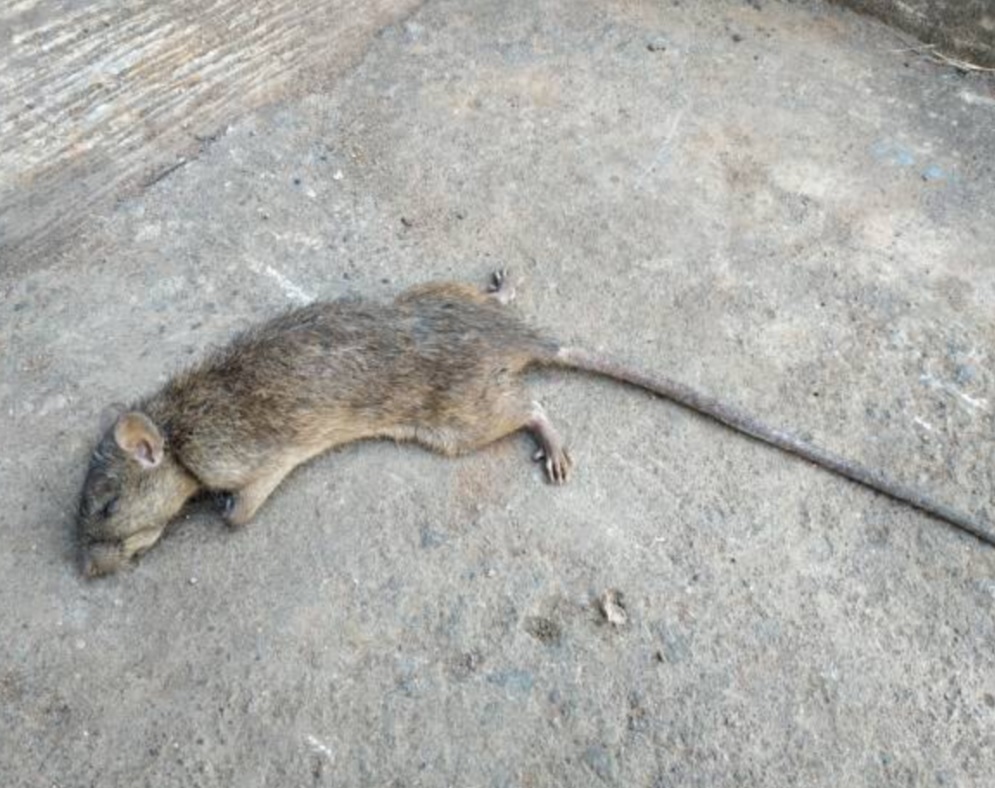
Deceased rat found on a concrete surface, requiring safe removal and odor treatment

A rodent that dies inside a wall void, attic space, or crawl space doesn't always leave an easy way to locate it, and the odor from decomposition can be strong enough to notice throughout a room or even a whole floor. We locate and remove dead rodents from wherever they've ended up, using a combination of odor tracking and knowledge of common nesting spots to narrow down the search rather than opening up walls at random.

Once the source is removed, we clean and treat the area to address lingering odor, since the smell doesn't always disappear immediately just because the rodent is gone. In cases where a wall cavity has to be opened to reach the carcass, we handle that access point and can coordinate a simple patch-up afterward.

This is a common follow-up call after a trapping job when a rodent dies somewhere other than in a visible trap, and it's also a standalone call for homeowners dealing with an unexplained odor with no other signs of an active infestation.

πŸ“ž Call 888-619-5503

Request This Service

* Indicates required field

Locating the Source

We use odor tracking alongside knowledge of common nesting locations β€” wall voids near warm areas, attic insulation, spaces behind cabinetry β€” to narrow down where a dead rodent likely is before opening anything up.

Odor Treatment After Removal

Removing the carcass doesn't always immediately resolve the smell, especially if fluids have soaked into insulation or wood. We clean and treat the affected area to address lingering odor as part of the same visit.

How Long a Dead Rodent's Odor Typically Lasts

A dead rodent's odor typically peaks within the first few days of decomposition and can last one to two weeks depending on temperature, humidity, and airflow around the carcass β€” a rodent that died in a warm, enclosed wall void in summer will smell stronger and sooner than one in a cooler, more ventilated attic space in winter. The smell doesn't resolve on a fixed schedule, though, which is why homeowners sometimes wait it out expecting it to fade only to find it lingers far longer than expected, especially if fluids have soaked into insulation, drywall, or wood framing along the way. Once we remove the source and treat the area, most odor clears within a day or two rather than fading gradually on its own.

What a Removal Visit Involves, Step by Step

We start by narrowing down the general location using odor strength and knowledge of common nesting spots, then pinpoint the specific area as closely as possible before opening anything up. Where the carcass is accessible without cutting into a wall or ceiling β€” an attic, crawl space, or behind an accessible panel β€” we remove it directly and treat the immediate area with an enzymatic cleaner designed to break down the odor-causing compounds rather than just mask them. If access requires opening a wall cavity, we cut the smallest opening that reliably reaches the carcass, remove it, treat the cavity, and coordinate a basic patch of the opening before we leave. Most calls are resolved in a single visit unless the carcass location turns out to be unusually difficult to reach.

What Affects the Cost of a Dead Rodent Call

Accessibility is the main factor β€” a carcass in an open attic or crawl space costs less to address than one that requires cutting into a finished wall or ceiling to reach. How long the rodent has been decomposing matters too, since fluids that have had more time to soak into surrounding material take more thorough cleaning and treatment to fully resolve. Whether a wall needs to be opened and patched adds to the cost beyond the removal and treatment itself, since that involves both access work and basic repair. We give a price after assessing how difficult the specific location is likely to be to reach, rather than a flat rate that doesn't account for where the carcass actually is.

Dead Rodent Removal vs. a Standard Trapping Job

A standard trapping job removes live, active rodents using traps placed at confirmed activity points, while a dead rodent call is about locating and removing an animal that's already died somewhere inaccessible β€” usually after eating bait or being caught by a trap in a spot other than where it was set. The two often happen together: a trapping job can turn into a dead rodent call if an animal dies somewhere other than in a visible trap, which is one reason we generally favor trapping over bait for active rodent removal, since a trapped rodent is found and removed the same visit rather than dying somewhere unknown.

Wall Access and Patch-Up Coordination

When a dead rodent is located inside a wall cavity with no other reasonable access point, we cut an opening sized specifically to reach it rather than a larger hole than necessary. After removal and treatment, we handle a basic patch of the access point so you're not left with an open cavity, and for situations needing more extensive repair or paint matching, we can coordinate with a handyman or contractor as a separate follow-up. We'll always discuss wall access with you before cutting into anything, since it's the kind of step we want you to sign off on rather than assume.

A Common Mistake: Masking the Smell Instead of Removing the Source

Air fresheners, odor-neutralizing sprays, and sealing off a room are common first responses to a dead rodent smell, but none of them address the actual source, and the odor typically returns or intensifies once the masking product wears off. Worse, sealing off an affected room can trap the odor and make it harder for us to narrow down the source when we do get called. If you're dealing with an unexplained odor, it's worth having it assessed early rather than trying home remedies for a week or two first, since decomposition doesn't reverse itself and early assessment usually means an easier, less invasive removal.

Licensed and Insured for Removal and Access Work

We're licensed and insured for rodent removal and the access work that sometimes comes with it, which matters when a job involves cutting into a wall cavity or working in a tight crawl space to reach a carcass. That coverage protects you as the homeowner if anything is damaged while we're locating or reaching the source of an odor. We can provide proof of licensing and insurance before starting any job that requires opening up a wall or ceiling.

Areas We Serve

Proudly providing rodent control across the region:

Get Dead Rodent Removal & Odor Control in Columbus Today

Fast response, upfront pricing, and friendly local pros. Call now for a free quote.

πŸ“ž Call 888-619-5503