πŸ“ž Call for a Free Quote: 888-619-5503

Rodent Exclusion & Entry Point Sealing in Columbus, OH

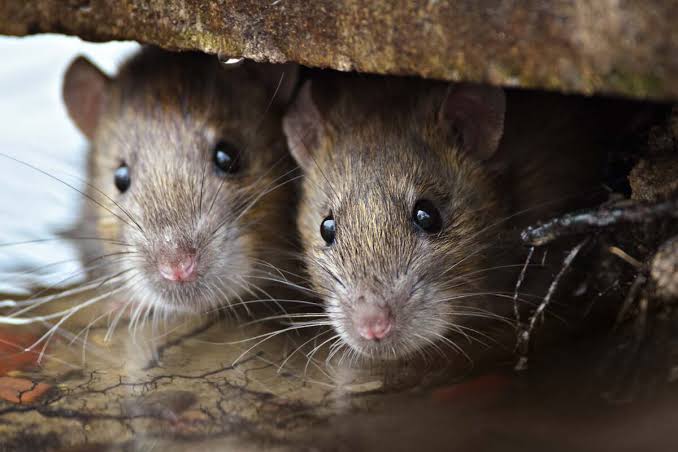
Two rats peering out from a gap under a rock, the type of entry point we identify and seal shut

Trapping removes the rodents that are already inside, but without sealing how they got in, new rodents typically move in within weeks β€” exclusion is what actually stops the cycle. We do a full exterior and attic inspection to identify every likely entry point: gaps around utility penetrations, foundation cracks, damaged vent screens, and the small openings where siding, soffit, or rooflines don't quite meet flush.

We seal identified entry points using materials matched to the rodent involved β€” heavy-gauge hardware cloth and metal flashing for anything a rat could chew through, sealant and properly fitted vent covers for smaller mouse-sized gaps. Every opening gets addressed as part of the same visit, not flagged for a future appointment.

Exclusion work is most effective when it's done as part of an active rodent job, so the entry points we seal are ones we've actually confirmed are in use, not a generic checklist applied to every house the same way. Call for a free inspection and we'll show you exactly what we find.

πŸ“ž Call 888-619-5503

Request This Service

* Indicates required field

A Full-Property Inspection, Not a Quick Look

We check the full exterior perimeter, roofline, attic vents, and utility penetrations rather than just the spot where activity was noticed. Rodents often have more than one entry point, and missing even one undermines the rest of the exclusion work.

Materials That Hold Up

Standard caulk or foam alone doesn't hold up to a determined rodent. We use hardware cloth, metal flashing, and properly fitted vent covers at confirmed entry points so the seal actually lasts.

How an Exclusion Visit Actually Runs

An exclusion visit starts with the same full inspection every job gets β€” exterior perimeter, roofline, attic, and every utility penetration we can access β€” because sealing five out of six entry points still leaves an open door for rodents to keep using. Once we've mapped every likely opening, we work through them in a single visit, matching material to the size and location of each gap rather than sealing everything the same way. On most residential jobs, exclusion is completed the same day as the inspection unless the scope turns out to be larger than expected, in which case we'll quote a return visit before doing any additional work. We'll walk the property with you afterward and point out exactly what we sealed and where, so you know what was actually done.

What Drives the Cost of an Exclusion Job

The number of confirmed entry points is the single biggest factor β€” a newer home with one or two gaps to seal costs far less than an older property with entry points scattered across multiple sides of the foundation and roofline. The type of material needed also matters: a small gap around a pipe takes less time and material than a damaged vent screen or a section of fascia board that needs replacing outright. Access plays a role too, since entry points at a steep roofline or a hard-to-reach crawl space take longer to seal properly than one at ground level. We quote exclusion work after the inspection, once we know exactly how many entry points there are and what each one requires.

Exclusion vs. Trapping Alone: Why One Without the Other Falls Short

Trapping removes the rodents currently inside a structure, but it does nothing about how they got in β€” and an open entry point rarely stays unused for long once rodents in the surrounding area find it. Exclusion without trapping has the opposite problem: sealing entry points on a property where rodents are already active inside traps the existing population in the structure rather than keeping new ones out. That's why we treat exclusion as part of an active rodent job rather than a standalone service in most cases, confirming trapping has addressed existing activity before or alongside sealing the points that let it in.

Signs Your Current Seal Job Isn't Holding

Fresh gnaw marks around a previously sealed opening, foam or caulk that's crumbled, pulled away, or visibly chewed through, and a return of droppings or activity near a spot you thought was already handled are all signs that a prior seal job didn't hold. This is common when a property was sealed with standard caulk or expanding foam alone, since both can be chewed through by a determined rat and neither holds up as well as metal-backed materials over multiple seasons. If you've had exclusion work done before and you're seeing activity again in the same area, it's worth having us take a look at what was used and whether it needs to be redone with more durable materials.

Our Guarantee on Sealed Entry Points

We stand behind every entry point we seal. If a rodent gets back in through a specific opening we've already addressed within the warranty period, we return and fix it at no extra charge, since that means the seal itself failed rather than a new gap opening up elsewhere. This guarantee is specific to the points we've sealed β€” a new gap that develops somewhere else on the property, from new construction damage or ordinary wear, is a separate issue we'd inspect and quote on its own. We'll spell out exactly what's covered and for how long in your written estimate.

A Common Misconception: "One Gap Sealed" Isn't Exclusion

One of the most common misconceptions we run into is a homeowner who's sealed the one obvious gap they found β€” often around a dryer vent or a visible foundation crack β€” and assumes the rodent problem is solved. In reality, most properties with confirmed rodent activity have more than one entry point, and rodents that can no longer use the sealed opening will often simply find or widen a second one nearby rather than give up and leave. That's the reasoning behind our full-property inspection rather than a spot check: it's designed to catch the entry points a homeowner's DIY fix typically misses.

Licensed and Insured for Exclusion Work

We're licensed and insured to perform exclusion work throughout Ohio, which matters given how often the job involves roofline access, ladder work, and sealing openings in less accessible parts of a structure. That coverage protects your property if anything is damaged in the course of reaching and sealing a given entry point. We're glad to provide documentation of our licensing and insurance before any exclusion work begins, particularly for landlords, HOAs, or commercial property managers who require it on file.

Areas We Serve

Proudly providing rodent control across the region:

Get Rodent Exclusion & Entry Point Sealing in Columbus Today

Fast response, upfront pricing, and friendly local pros. Call now for a free quote.

πŸ“ž Call 888-619-5503